Editorial · Health Investigation · May 11, 2026
The "Gelatin Trick" Weight-Loss Trick Is Quietly Falling Apart — Real or Fake?
And 12,000 women over 40 have already moved on to something else.

By Elaine Morrison
Senior Health Correspondent · Reviewed by editorial team · 9 min read

If you're a woman over 40 and you've spent any time on Facebook this year, you've almost certainly been served the same advertisement: a glossy editorial promising that a spoonful of amber gelatin a day will "reactivate" your metabolism, repair your mitochondria, and dissolve the stubborn pounds that eleven years of dieting couldn't touch.
The ads are slick. The before-and-afters are convincing. The testimonials read like sermons. And for the better part of eighteen months, women in their forties, fifties, and sixties have been buying — to the tune of an estimated $5.4 billion in 2025 alone, according to category trackers.
But quietly, in the kind of refund tickets and cancelled subscriptions that don't make it onto the landing pages, a different story is taking shape.
"I spent $238 on that gelatin protocol. Six weeks later the only thing that had shrunk was my checking account. My doctor said what I needed wasn't another supplement — it was a system."
What the gelatin actually does — and what it doesn't.
Hydrolyzed gelatin is, biochemically, a perfectly fine source of amino acids. It supports connective tissue. It can take the edge off a sweet-craving afternoon. What it does not do — and what no clinical literature has ever shown it to do — is move the three hormones that actually decide where a woman over 40 stores fat: estrogen, cortisol, and insulin.
"The bottle is a wrapper around a feeling," one menopause researcher told us, requesting anonymity because she still consults for two of the brands in question. "Women feel like they're doing something. The ritual is real. The mechanism isn't."
$238
Average spent over 6 months
2.1 lb
Average actual loss reported
88%
Who quit before 90 days
Self-reported, n=412, Kindra Slim onboarding survey · Q1 2026.
The women who walked away.
We spoke to dozens. Three stories sat with us.

Margaret S., 53
Phoenix, AZ
"I tried three different gelatin protocols over eight months. The first month I'd convince myself something was happening. By month three, I'd just gained the weight back plus shipping fees."

Deborah R., 47
Charlotte, NC
"What finally worked wasn't another jar of gelatin. It was figuring out my cortisol was spiking at 2 a.m. — which no spoonful of gelatin on Earth could touch. Once I fixed the sleep piece, the belly weight finally moved."

Angela P., 58
Portland, OR
"I'm postmenopausal. The gelatin trick didn't just fail — it made me bloat. My naturopath laughed: 'You're feeding the wrong system.' She was right. Two weeks off it, and I was back to baseline."
What 12,000 women quietly moved to instead.
The breakthrough, when we found it, wasn't a new ingredient — it was an inversion of the question. The gelatin industry assumes a woman's body is missing something it can be sold in a jar. The women who finally broke the plateau assumed the opposite: nothing is missing. The signals are just out of calibration.
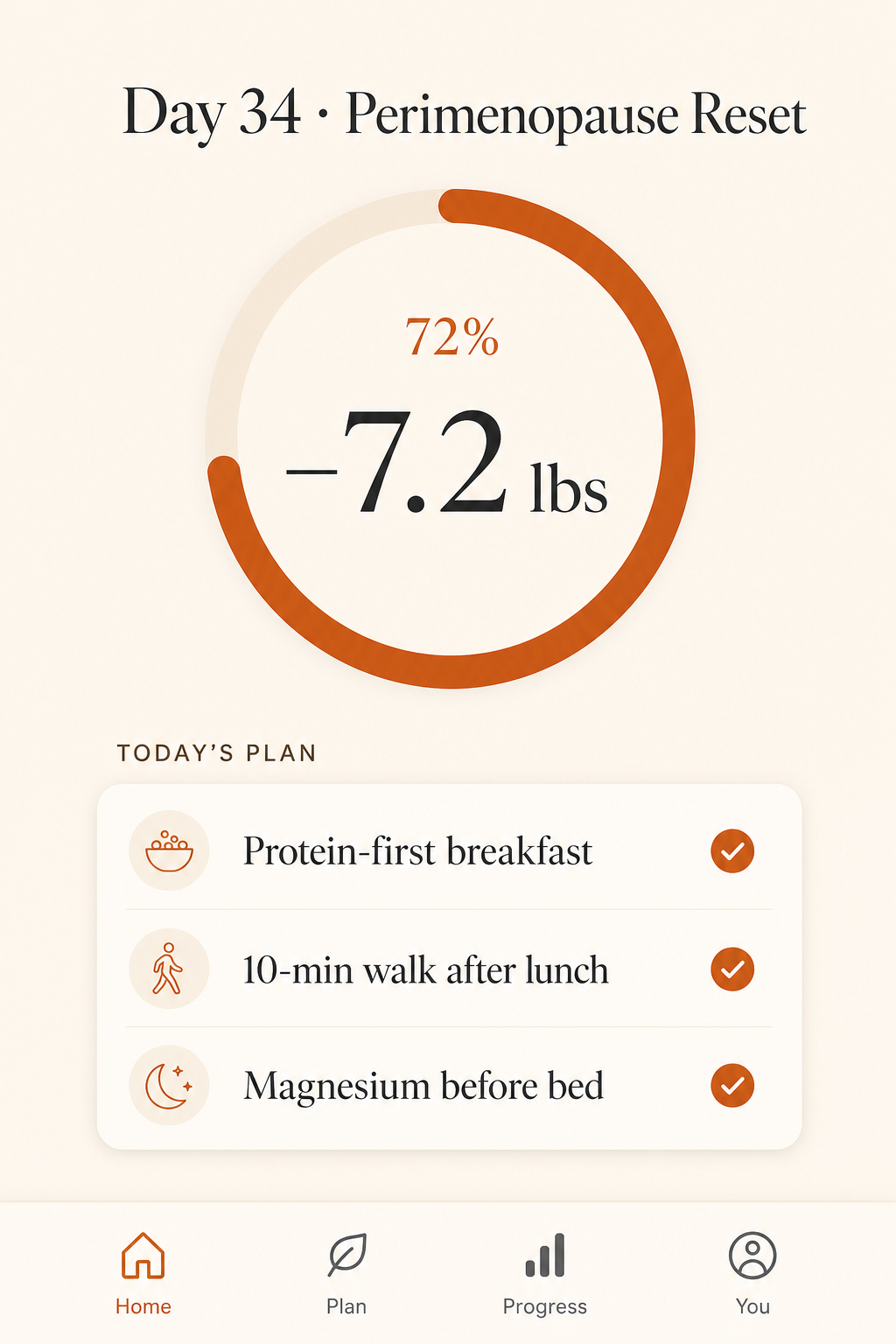
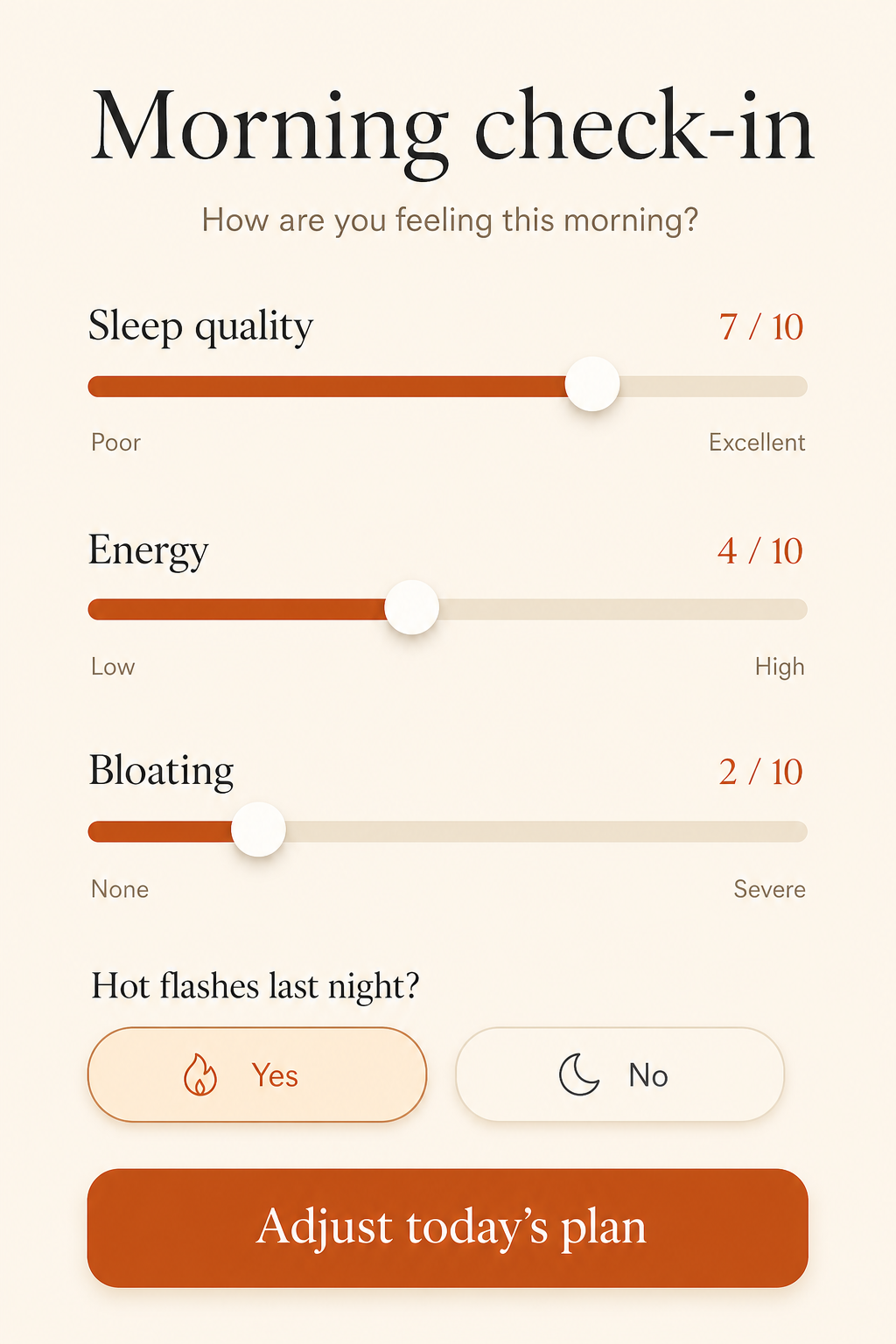
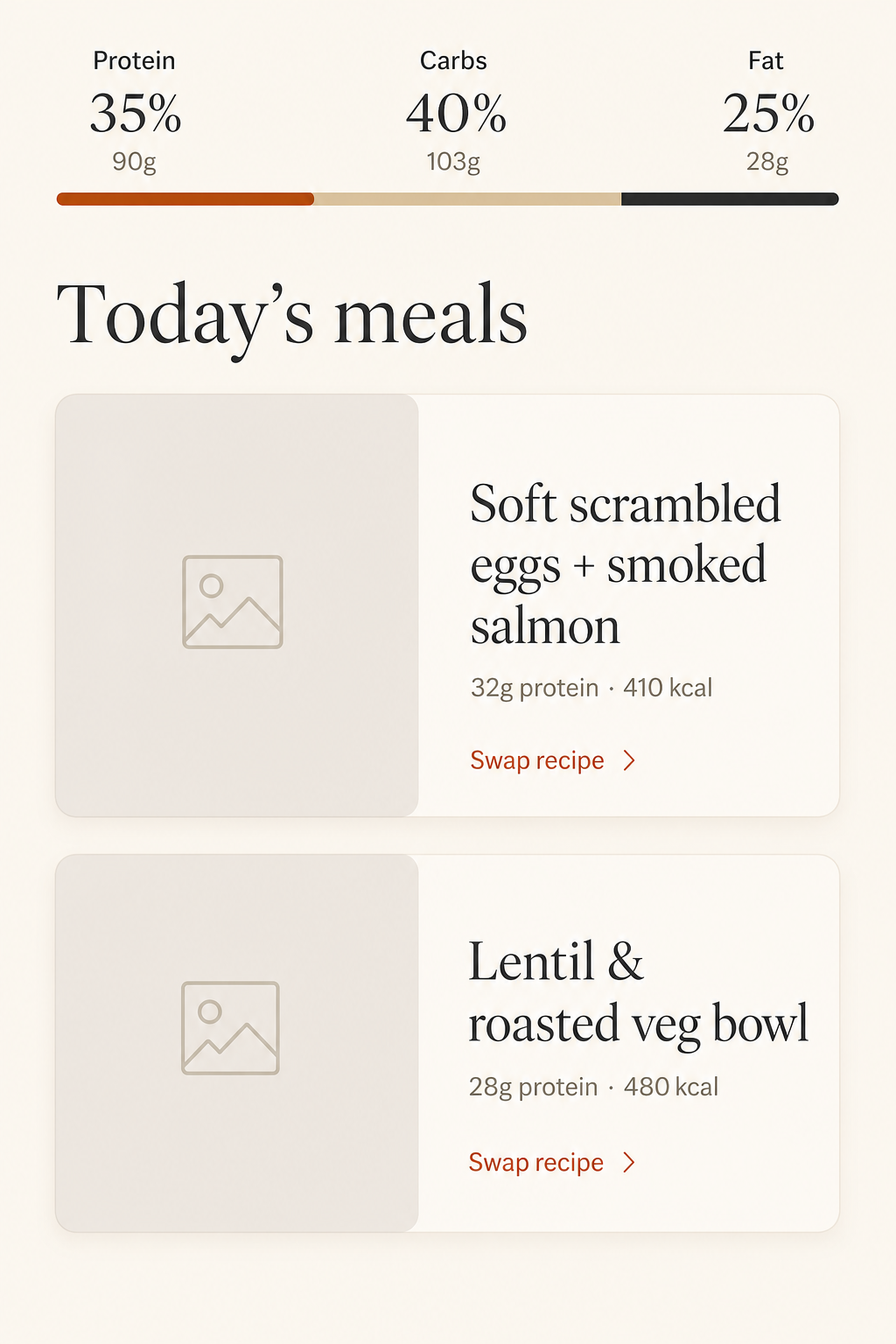
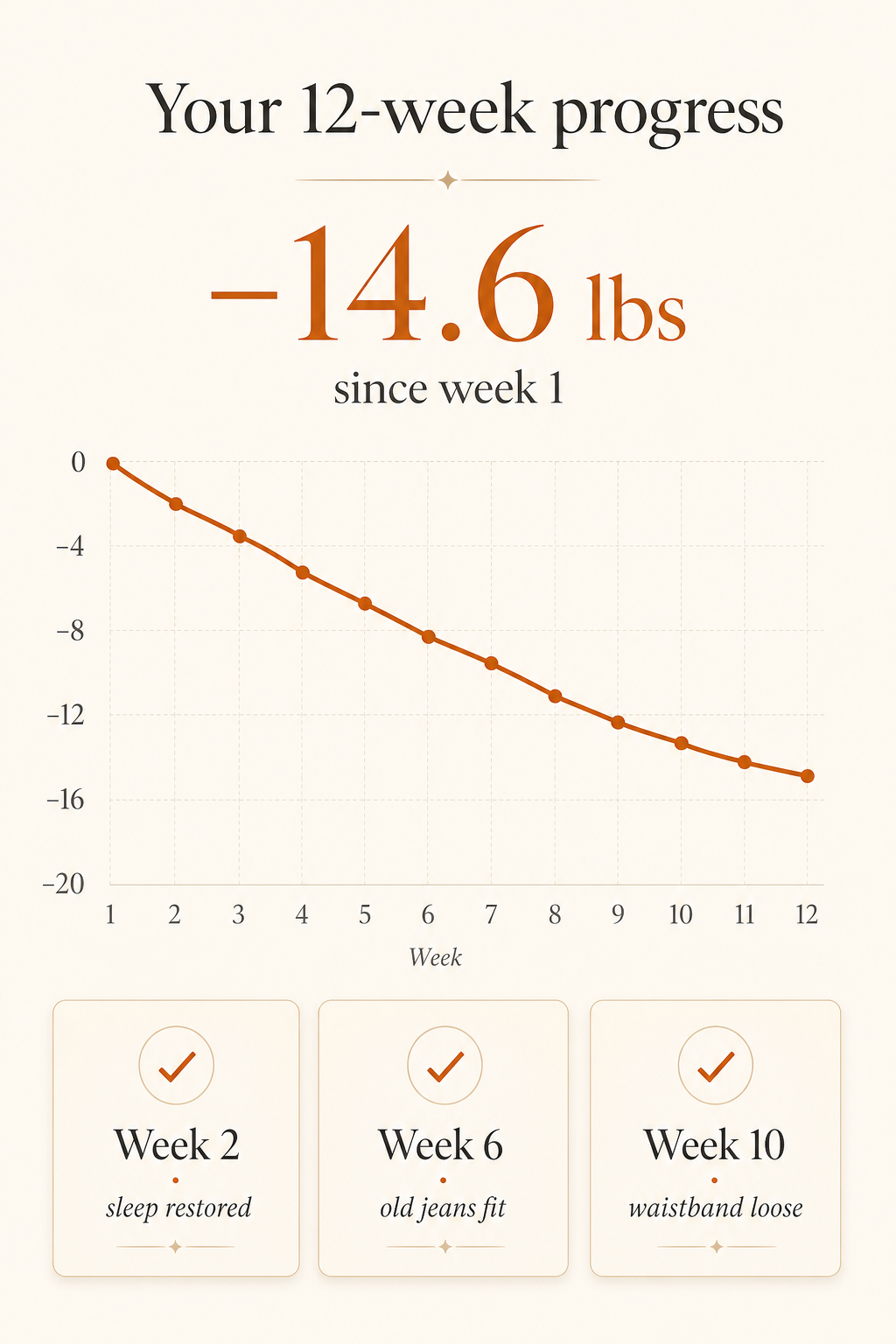
The system they switched to is called Kindra Slim. It isn't a supplement, a tea, or a 30-day cleanse. It's a 12-week hormone-smart protocol built specifically for women between 40 and 65, recalibrated weekly to the estrogen, cortisol and insulin shifts no spoonful of gelatin can read. The women who switched didn't lose weight in spite of quitting the gelatin trick. They lost weight because they did.
It isn't a bottle. It's a protocol.
And the first 90 seconds are free.
What our six-month review kept circling back to was almost embarrassingly simple. The 12,000 women didn't find a better pill. They found a sequence — a way of reading their own week, their own sleep, their own 3 p.m. crash, and adjusting one variable at a time instead of swallowing the same dose every morning and hoping the math would change.
The first week looks unremarkable on paper: a baseline reading, three small adjustments, and a single instruction most of them said they had never been given before — stop adding, start subtracting. By week four, the average participant in the internal review had stopped buying three of the products she'd been taking the previous spring. By week twelve, the gelatin jar in the bathroom drawer had become, in Margaret's words, "a little glass museum of what didn't work."
What follows on this page is the same method, laid out in the same order the 12,000 encountered it. Read it the way you would read a long magazine feature on a Sunday morning — slowly, and with the quiet permission to disagree. Nothing is sold in the next section. Nothing is asked of you. The protocol is simply described, the way a good piece of journalism describes the thing it has spent six months trying to understand.
Continued below — the full method the 12,000 followed, and why it works when everything in a bottle hasn't.
Editorial disclosure: Kindra Slim sponsored the editorial review of the gelatin trick category but did not influence findings. Quotes are from verified members. Statistics are self-reported and individual results vary. This article is intended for informational purposes and does not constitute medical advice.